Why Smart EV Charging Matters Now
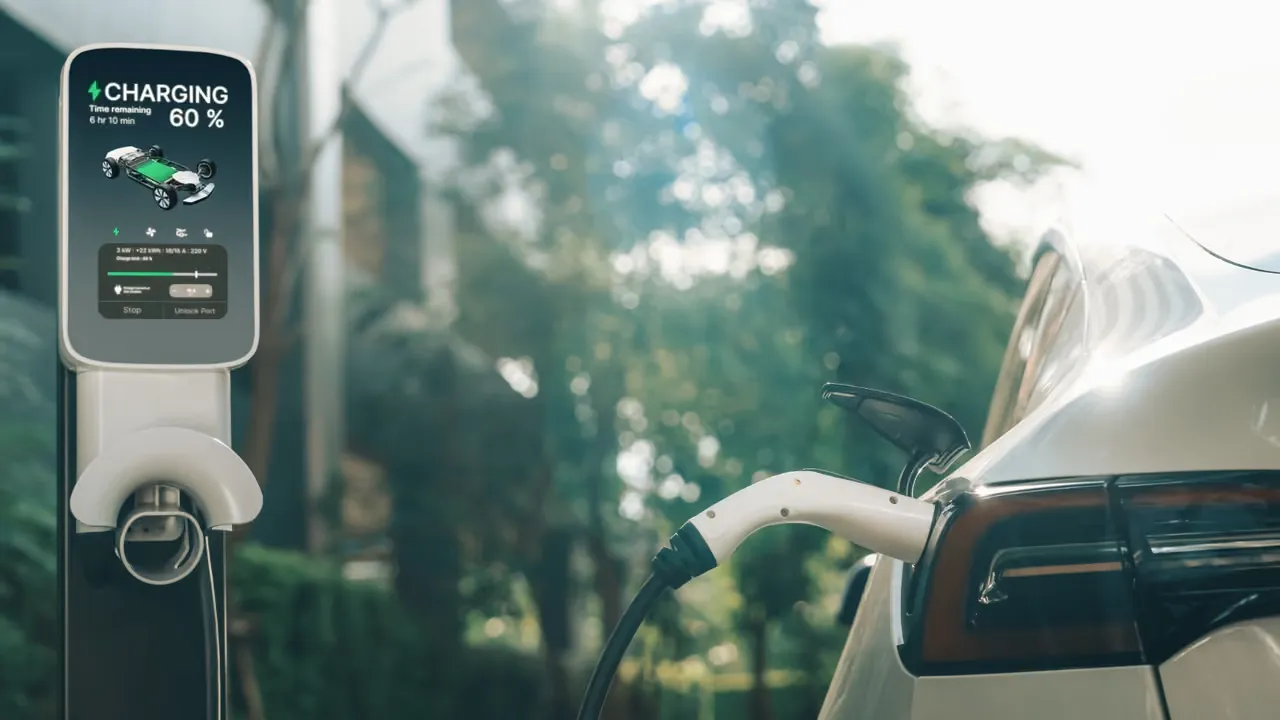
Electric vehicle charging is no longer just about plugging in and powering up. As the number of EVs on the road climbs, the demand on our electricity infrastructure is intensifying. This is where smart grid integration steps in, transforming EV charging into a more efficient, sustainable, and adaptable system. Understanding how smart grids enhance EV charging reveals a future where energy is managed intelligently, emissions are reduced, and drivers enjoy quicker, more reliable charging.
Understanding Smart Grid Technology and Its Role in EV Charging
A smart grid is an electricity network that uses digital communications technology to detect and react to local changes in usage. Unlike traditional grids, smart grids facilitate two-way communication between utilities and consumers, allowing for real-time monitoring and management of electricity flows.
When applied to EV charging, smart grids enable chargers to communicate with the grid, adjusting charging rates based on factors such as current demand, electricity prices, and availability of renewable energy. This dynamic approach contrasts sharply with standard charging, which often draws power at a fixed rate regardless of grid conditions.
Smart chargers connected to the grid can schedule charging during off-peak hours or when solar and wind power generation is high. This not only eases the load on the grid but also maximizes the use of clean energy sources, making EV charging greener.
Benefits of Integrating EV Charging with Smart Grids
- Increased Energy Efficiency: By intelligently managing when and how EVs charge, smart grids reduce energy waste. Chargers can ramp up during low-demand periods and slow down during peak usage, smoothing out the load and preventing grid strain.
- Cost Savings for Consumers: Smart grid integration allows for variable pricing models. Drivers can charge their vehicles when electricity is cheapest, typically at night or when renewable energy is abundant, lowering their overall costs.
- Enhanced Grid Stability: EVs, when connected to a smart grid, can act as distributed energy resources. Vehicle-to-grid (V2G) technology lets EVs supply energy back to the grid during peak demand, helping to stabilize the system.
- Improved Renewable Energy Utilization: Smart grids can prioritize charging during periods of high renewable output (like midday solar peaks), increasing the share of green energy used and reducing reliance on fossil fuels.
- Scalability and Flexibility: As EV adoption grows, smart grids can adapt dynamically to accommodate new loads without requiring costly infrastructure upgrades.
Challenges and Solutions in Implementing Smart Grid-Based EV Charging
While the benefits are clear, integrating EV charging with smart grids is not without hurdles.
Infrastructure and Technology Compatibility
Many existing charging stations and grid systems lack the communication protocols needed for smart integration. Upgrading infrastructure requires significant investment.
Solution: Industry-wide standards for communication between EV chargers and utility systems are emerging. Open protocols like OCPP (Open Charge Point Protocol) facilitate interoperability, making it easier to implement smart features across diverse hardware.
Data Security and Privacy Concerns
Smart grids rely on continuous data exchange, raising concerns about cybersecurity and user privacy.
Solution: Robust encryption and secure authentication mechanisms are essential. Utilities and manufacturers must prioritize transparent data policies and invest in cybersecurity to maintain user trust.
Grid Management Complexity
Balancing numerous EVs charging simultaneously, alongside other electricity demands, requires sophisticated grid management.
Solution: Advanced algorithms and AI-driven management platforms are being developed to predict demand patterns and optimize charging schedules automatically.
User Engagement and Behavior
Drivers may be reluctant to shift charging times or participate in V2G programs if incentives are unclear or inconvenient.
Solution: Clear communication of benefits and financial incentives, alongside user-friendly apps that automate smart charging decisions, can encourage participation.
Future Prospects How Smart Grids Can Shape the EV Charging Landscape
The future of EV charging is tightly linked to smart grid evolution. As renewable energy sources become more prevalent, the ability to align EV charging with green power production will be critical.
Emerging technologies like vehicle-to-home (V2H) and vehicle-to-building (V2B) expand the role of EVs beyond transportation, turning them into mobile energy storage units that support homes and businesses during outages or peak demand.
Moreover, widespread deployment of fast chargers integrated with smart grids promises to alleviate “range anxiety” without compromising grid health. By coordinating fast charging sessions with grid capacity and renewable availability, these systems can deliver rapid charging sustainably.
On a larger scale, smart grids may enable entire neighborhoods or cities to operate as interconnected energy ecosystems, where EVs, solar panels, energy storage, and smart appliances communicate seamlessly. This vision could redefine how we consume, store, and share energy, with EV charging as a cornerstone.