Used Electric Cars Reshape Secondhand Market
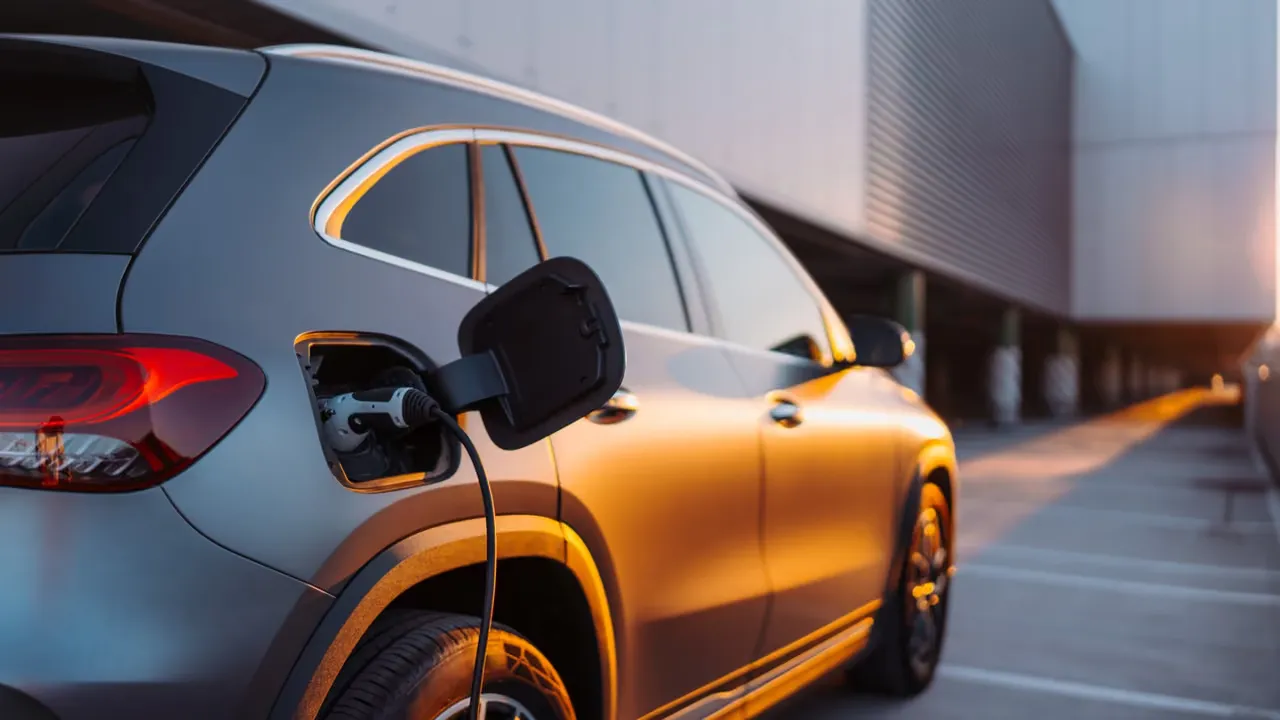
How are electric cars transforming the used car market and shaking up traditional values on secondhand vehicles?
The Growing Appeal of Used Electric Vehicles
Electric vehicles (EVs) have long been touted as the future of driving, but their influence is now rippling through the secondary car market. Once seen primarily as expensive new tech, used EVs are becoming increasingly attractive to buyers. The initial wave of EV adopters, often willing to pay a premium for the latest technology, is now selling their cars, creating a more affordable entry point for everyday drivers.
Several factors contribute to the rising appeal of used EVs:
- Lower purchase price: Used EVs typically cost significantly less than their new counterparts, making them accessible to a wider audience.
- Reduced running costs: Electricity is cheaper than gasoline for most drivers, and EVs require less maintenance, which appeals to budget-conscious buyers.
- Environmental awareness: Many buyers want to reduce their carbon footprint without breaking the bank, and used EVs offer a practical way to do that.
- Improved technology and range: Early-model EVs with limited range have been replaced by newer models with better battery life, but the older models still provide enough mileage for many daily needs, making them viable options on the used market.
Challenges in Assessing Used EV Battery Health
Unlike traditional used cars where engine and transmission condition are the primary concerns, evaluating a used EV hinges largely on the battery’s state of health. Batteries degrade over time, losing capacity and range, but assessing this degradation isn’t straightforward for most buyers or even dealers.
Key challenges include:
- Lack of standardized reporting: Unlike oil changes or brake pad replacements, there isn’t a universally accepted metric or report for battery health that’s easily accessible to buyers.
- Battery replacement costs: Replacing an EV battery can cost thousands of dollars, a risk that weighs heavily on potential buyers if the battery’s condition is unclear.
- Variable degradation rates: Factors like climate, charging habits, and driving style can affect how quickly a battery loses capacity, making it difficult to predict future performance based on age alone.
- Software and warranty nuances: Some manufacturers offer battery health guarantees or software updates that can improve battery management, but these vary widely and aren’t always transferable to secondhand owners.
Consequently, buyers often rely on dealership inspections, third-party batteries tests, or vehicle history reports that may or may not include battery diagnostics. The uncertainty around battery health can suppress used EV prices or lead to cautious negotiation.
Impact of Government Incentives on Used EV Pricing
Government incentives have played a pivotal role in driving new EV purchases, but their influence extends into the used market in more subtle ways. Subsidies, tax credits, and rebates for new EVs can indirectly affect the pricing and demand for used models.
Consider these dynamics:
- New EV incentives lower upfront costs: When new EVs are heavily subsidized, buyers may opt to purchase new rather than used, putting downward pressure on used EV prices.
- Expiration of incentives reshapes demand: As incentives phase out or shift focus, used EVs become comparatively more attractive, potentially boosting their values.
- Incentives for used EVs: Some regions have started offering rebates or tax breaks specifically for used EV purchases, stimulating demand and lifting prices.
- Charging infrastructure grants: Government investment in public charging networks makes owning any EV, new or used, more convenient and appealing, indirectly supporting resale values.
These factors create a complex interplay that buyers and sellers must navigate. A savvy used EV buyer pays attention not just to the vehicle itself but also to the shifting regulatory landscape.
Future Trends in the Resale Value of Electric Cars
The resale value of electric cars is poised for significant evolution over the next decade, driven by technology, market maturity, and policy changes.
Emerging trends include:
- Battery technology improvements: Advances in battery chemistry and recycling will extend the lifespan and reduce replacement costs, making used EVs more reliable and valuable.
- Greater transparency in battery health data: Manufacturers and third-party services are developing tools that provide clearer battery diagnostics, reducing uncertainty and boosting buyer confidence.
- Standardization of warranties and certifications: The introduction of certified pre-owned EV programs with battery guarantees could become industry standard, much like traditional car warranties.
- Increasing supply of used EVs: As more EVs hit the roads and age, the used market will expand, leading to more competitive pricing but also better availability and variety.
- Shift in consumer perception: As electric cars become mainstream, the stigma that used EVs are risky or outdated will fade, normalizing their presence in the secondary market.
Overall, electric cars are not just changing how we drive but also how we buy and sell vehicles. The secondary market, once dominated by internal combustion engines, is steadily embracing electric models, reshaping values and expectations along the way.