The Future of Electric Car Battery Reuse
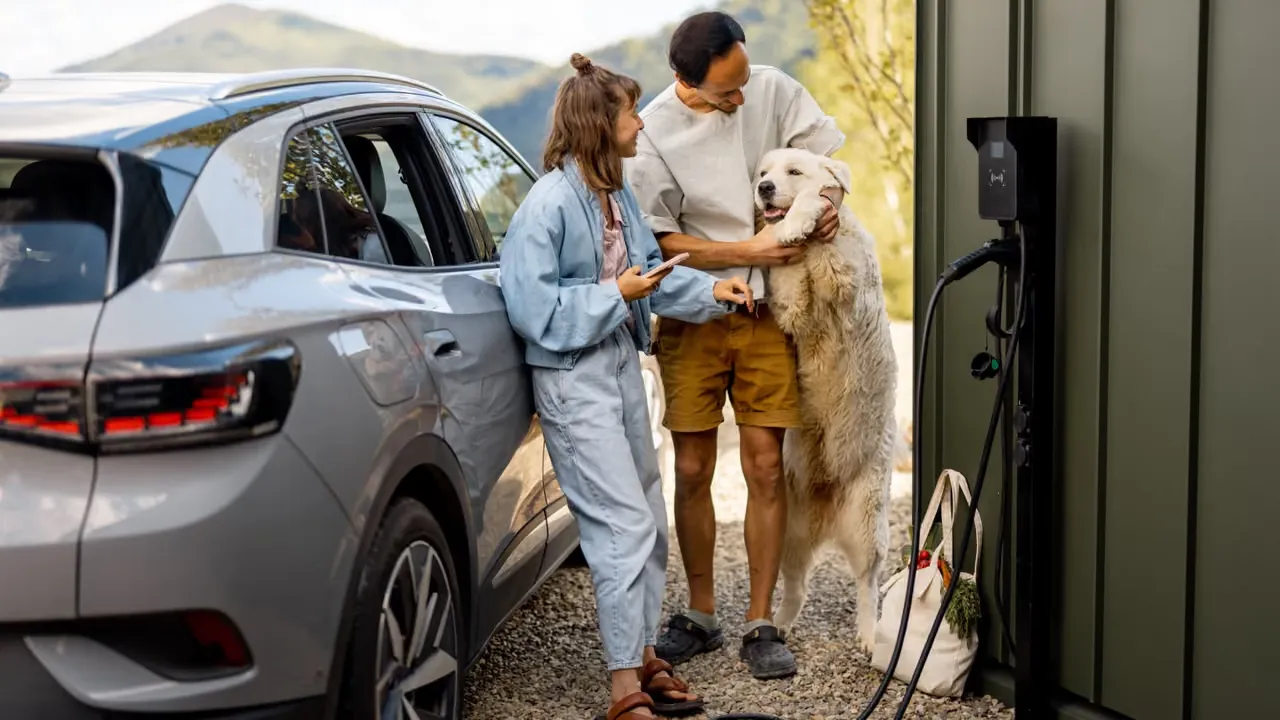
Electric cars have been championed as the future of sustainable transportation, but their green credentials hinge heavily on how their batteries are managed throughout their lifecycle. The rush to electrify the roads has exposed a glaring challenge: what happens to these massive lithium-ion packs once they’re spent? Battery recycling technology is stepping up to meet this challenge, reshaping the sustainability of electric vehicles from the moment they roll off the assembly line to the day they reach the scrapyard.
Current Battery Recycling Challenges in Electric Cars
Electric vehicle (EV) batteries are complex assemblies containing valuable metals like lithium, cobalt, nickel, and manganese. Extracting these materials for reuse is not straightforward. The existing infrastructure for battery recycling is limited and often inefficient. Most batteries still end up in landfills or are poorly recycled, leading to resource wastage and environmental risks.
One major hurdle is the diversity of battery chemistries and designs. Different manufacturers use varying cell formats and chemistries, making standardization of recycling processes difficult. Additionally, the energy-intensive nature of current recycling methods, such as pyrometallurgical (smelting) and hydrometallurgical (chemical leaching) techniques, results in high operational costs and environmental footprints.
Safety concerns also complicate battery recycling. Handling lithium-ion batteries requires careful management to avoid fires or toxic emissions, which has slowed the development of large-scale, automated recycling systems. As EV adoption accelerates worldwide, the urgency to solve these challenges grows.
Innovations in Recycling Processes Reducing Environmental Impact
Recent advances in recycling technology are transforming the way spent EV batteries are processed, making the entire lifecycle greener. One promising development is direct recycling, or “black mass” recovery, which focuses on preserving the cathode materials’ structure rather than breaking them down completely. This method uses less energy and produces fewer emissions compared to traditional recycling.
Researchers and companies are also exploring more sustainable chemical processes that reduce or eliminate the use of harmful solvents. For example, some techniques employ biodegradable solvents or use water-based processes that minimize hazardous waste.
Another innovation is the integration of automated disassembly and sorting technologies, which improve safety and efficiency. Robotic systems can carefully dismantle battery packs, reducing human exposure to toxic materials and speeding up the recycling process. This automation also allows for the separation of components, enabling more precise recovery of valuable metals.
- Solid-state battery recycling: As solid-state batteries gain traction, recycling methods are being adapted to handle their different chemistry and structure, potentially simplifying the recovery of materials.
- Second-life applications: Before recycling, many EV batteries find a new purpose in energy storage systems, extending their usefulness and reducing immediate recycling demand.
Impact of Improved Recycling on the Electric Vehicle Supply Chain
Efficient recycling creates a circular supply chain where critical materials are continuously reused, reducing dependence on mining and the geopolitical risks tied to raw material sourcing. For instance, cobalt mining has been criticized for ethical and environmental issues. Recycling offers a way to alleviate these concerns by sourcing cobalt from old batteries instead of new mines.
Recycled materials can also stabilize supply chains by moderating price volatility linked to fluctuating demand and limited raw material availability. This stability is crucial as automakers scale EV production globally. Companies investing in recycling infrastructure gain a competitive edge by securing a steady supply of battery-grade materials.
Moreover, improved recycling reduces the carbon footprint of battery manufacturing. Mining and refining raw materials are energy-intensive processes responsible for a significant portion of an EV’s total emissions. By integrating recycled materials, manufacturers cut down on these emissions, making electric cars truly cleaner from cradle to grave.
Economic and Policy Drivers
Governments are increasingly mandating battery recycling targets and supporting research into advanced recycling technologies. Incentives and regulations encourage automakers and recyclers to collaborate on creating closed-loop systems. This policy push not only drives investment but also fosters innovation and public trust in electric mobility.
Future Prospects for Sustainability in Electric Vehicle Manufacturing
Looking ahead, the convergence of technological innovation, regulatory pressure, and market demand will likely accelerate the adoption of sustainable battery recycling practices. Emerging trends include:
- Design for recyclability: Automakers are beginning to design batteries with end-of-life processing in mind, simplifying disassembly and material recovery.
- Advanced material recovery: New methods aim to recover a broader range of elements, including lithium, which has been challenging to reclaim efficiently until now.
- Integration with renewable energy: Recycling facilities powered by clean energy sources will further reduce the environmental impact.
- Digital tracking: Battery passports and blockchain technologies will track battery health and ownership, facilitating better recycling management.
Ultimately, the sustainability of electric cars will depend on how seamlessly the industry can close the loop on battery materials. With these advancements in recycling technology, electric vehicles are poised to become not just cleaner on the road but also more responsible behind the scenes.