Evening EV Charging Peaks Challenge Grids
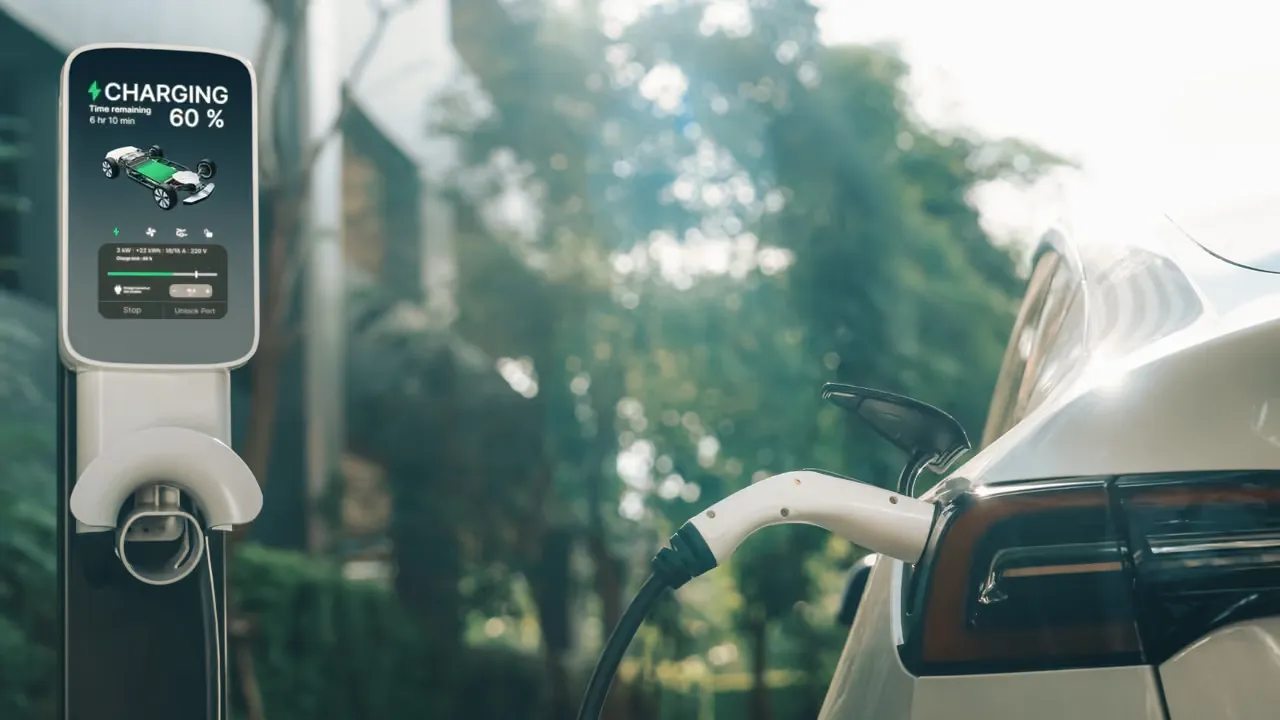
What happens when millions of electric cars plug into the grid every evening? As electric vehicles (EVs) become more common, they are not just changing how we get around—they are reshaping how we use energy and how our electricity grids work.
The impact of electric cars on residential electricity demand
Electric cars move a big part of transportation energy from gasoline to electricity. For households, this means a new, often large, addition to their electricity use. Charging an EV at home can add anywhere from 20% to 50% to a typical household’s electricity consumption. This depends on how much people drive and the size of the car’s battery.
This extra demand usually happens in the evening when people come home and plug in their cars. This timing matches the usual peak in home electricity use—cooking dinner, running appliances, and turning on lights. The result is a sharper, higher evening peak that utility companies must handle.
For example, in a typical suburban home, charging an EV after dinner can add 7 to 10 kilowatt-hours (kWh) to the daily load. Multiply this by thousands of homes in a neighborhood, and the local grid faces a sudden surge. Transformers and distribution lines designed for past demand levels may struggle with this new load.
Challenges and opportunities for the electrical grid
The rise in demand from EVs brings clear challenges. Utility companies risk overloaded transformers, more grid upgrades, and higher costs to keep power reliable. In areas where the grid is already tight, uncontrolled EV charging could push systems to their limits.
But this challenge also offers chances. Electric vehicles can become tools for managing the grid if used smartly. Instead of just drawing power, EVs can act as small energy hubs that help balance supply and demand.
- Load shifting means encouraging EV owners to charge during off-peak hours, like late at night. This flattens demand peaks and eases stress on the grid.
- Grid stabilization uses EV batteries to provide services like frequency regulation, which keeps the grid steady.
- Deferred upgrades happen when better demand management delays or cuts the need for costly infrastructure work.
Some utilities already offer time-of-use rates to nudge drivers to charge when demand is low. Others run programs that remotely control charging times. These methods help avoid costly upgrades and keep the grid stable.
Integration of renewable energy with electric vehicle charging
Electric cars open new ways to pair renewable energy with transportation. Solar and wind power change output throughout the day, which makes them tricky to fit into the grid. EV charging can be a flexible load that soaks up extra renewable energy, turning what might be wasted power into useful consumption.
For example, during a sunny afternoon with lots of solar power, EV owners could be encouraged to plug in and charge. This uses clean energy and helps the grid by smoothing out ups and downs. By matching charging times with renewable output, EVs reduce the need for backup power from fossil fuels.
Home solar systems combined with EV charging create local energy hubs. Households can generate, store, and use their own clean power. This cuts their carbon footprint and lowers their dependence on the grid.
In some places, utilities offer incentives for EV owners to charge when solar power is abundant. Smart chargers can automatically adjust charging speed based on solar output, making the process seamless for users.
Future outlook smart charging and vehicle-to-grid technologies
The next wave of innovation lies in smart charging and vehicle-to-grid (V2G) technologies. Smart charging uses data and communication to decide when and how EVs charge. This can be as simple as delaying charging until after midnight or as complex as reacting to real-time grid conditions and electricity prices.
Vehicle-to-grid technology goes further by letting EVs send electricity back to the grid. This two-way flow turns parked cars into mobile energy storage units. During times of high demand or grid stress, groups of EVs could supply power, easing peak loads and providing backup energy.
- Benefits of smart charging include lower energy costs for consumers, less strain on the grid, and more use of renewable energy.
- Benefits of V2G include stronger grid resilience, new income for EV owners, and better integration of variable renewables.
These technologies need strong communication networks, clear rules, and people willing to take part. Utilities, car makers, and policymakers are testing pilots and programs to unlock their potential.
For instance, some pilot projects let EV owners earn money by selling stored energy back to the grid during peak hours. Others use smart chargers that respond to signals from the grid operator, adjusting charging speed to balance supply and demand in real time.