EV Charging at Home Changes Power Patterns
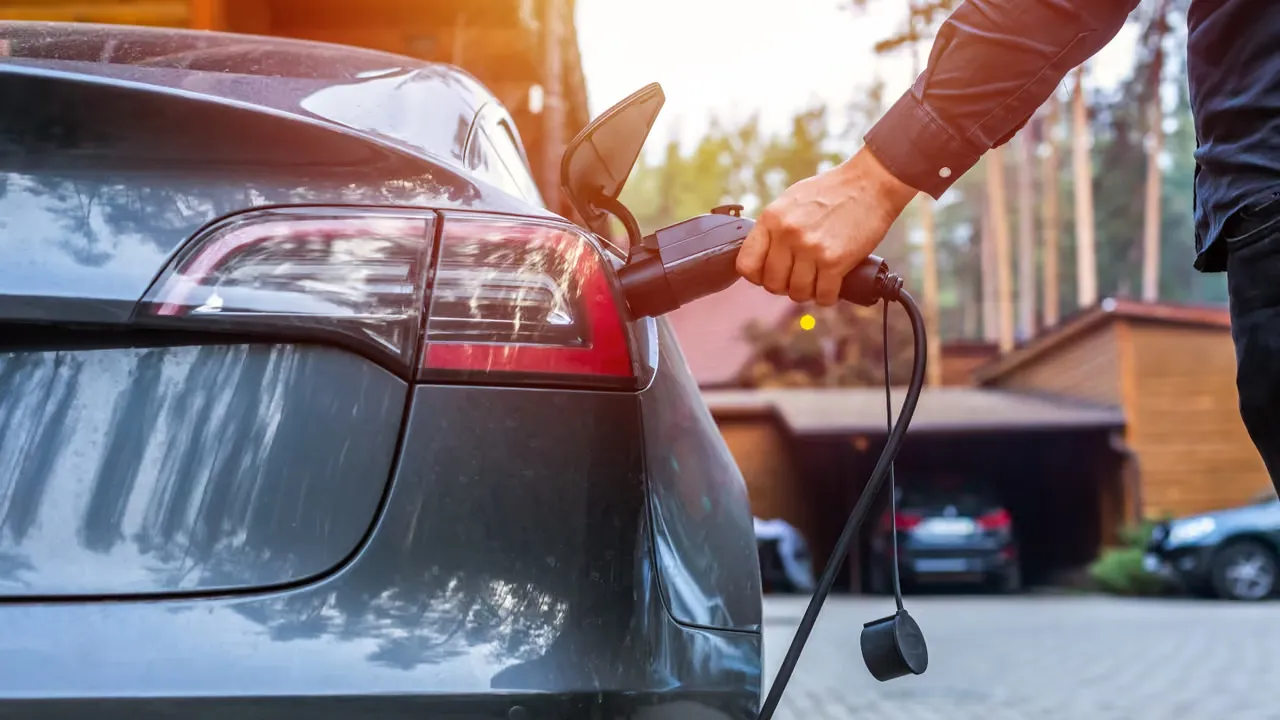
How does setting up an electric vehicle (EV) charger at home change the way we use energy and affect the power grid?
Understanding Home EV Charging Systems
Home EV charging has become a cornerstone of modern electric mobility. Unlike public chargers, which vary in speed and availability, home chargers offer convenience and control. Most homeowners install Level 2 chargers, which operate on 240 volts and can fully charge a typical EV in 6 to 12 hours. These units connect directly to the residential electrical panel and require a dedicated circuit.
Some drivers still rely on Level 1 charging, using a standard 120-volt outlet, but this method is slow and generally only sufficient for light daily use. Level 2 is preferred for its speed and efficiency, but it also draws significantly more power, raising questions about its impact on household energy consumption.
Effects on Residential Energy Usage Patterns
The addition of an EV charger at home inevitably increases electricity consumption. Studies show that charging an EV at home can add anywhere from 30% to 50% more to a household’s monthly electricity use, depending on driving habits and charger type. This increase isn’t just about volume; it also alters when and how electricity is used.
Most homeowners plug in their EVs after arriving home, typically in the evening. This timing coincides with peak residential electricity demand, as people use lighting, appliances, and heating or cooling systems. Combined, these demands can create sharp spikes in consumption, stressing local grid infrastructure.
However, not all drivers charge their vehicles immediately or at peak hours. Some use timers or smart chargers that delay charging until off-peak times, reducing strain on the grid and potentially lowering electricity bills. This shift in energy usage patterns could be critical as EV adoption grows.
Behavioral Shifts and Energy Awareness
- Scheduled Charging: Many EV owners program their chargers to run overnight when demand and rates are lower.
- Energy Monitoring: Smart chargers provide real-time data, encouraging users to optimize charging habits.
- Load Management: Some systems balance EV charging with other household energy needs to prevent overloads.
Integrating Home Chargers with Renewable Energy
One of the most promising developments in home EV charging is pairing it with on-site renewable energy sources, particularly solar panels. When a home generates its own electricity, it can power the EV charger without drawing from the grid, reducing both emissions and energy costs.
Solar-powered EV charging systems typically use an inverter and a battery storage setup to manage energy flow. During the day, solar panels produce electricity that can either charge the EV directly, store energy for later use, or feed excess power back into the grid. This flexibility allows homeowners to maximize self-consumption and minimize reliance on external energy sources.
Homeowners with renewable setups often experience a more balanced energy profile. Instead of a sharp consumption peak in the evening, they can shift charging to daylight hours, aligning EV energy use with solar production. This alignment benefits the grid by smoothing demand curves and reducing the need for fossil-fuel-based power plants to ramp up during peak times.
Benefits of Renewable Integration
- Cost Savings: Reduced electricity bills by using self-generated power.
- Environmental Impact: Lower carbon footprint through clean energy use.
- Grid Support: Less stress on grid infrastructure during high demand periods.
Challenges and Solutions for Grid Stability
While home EV charging brings clear advantages, it also presents challenges for utility operators and grid managers. The cumulative effect of many homes charging simultaneously can create localized overloads, voltage drops, and increased peak demand. These issues threaten grid reliability and could increase the need for costly infrastructure upgrades.
Utilities and technology providers are exploring several solutions to these problems:
- Smart Charging Networks: These systems communicate with the grid to adjust charging rates and timing based on current grid conditions, alleviating stress during peak hours.
- Time-of-Use Pricing: Encouraging consumers to charge during off-peak hours through variable electricity rates.
- Vehicle-to-Grid (V2G) Technology: Allows EVs to feed electricity back into the grid during peak demand, turning vehicles into temporary energy storage units.
- Grid Upgrades: Utilities are investing in more robust transformers, advanced metering infrastructure, and distributed energy resources to better handle the increased load.
On the homeowner level, choosing the right charger, installing energy management systems, and adopting flexible charging habits are essential steps to prevent negative impacts. Coordination between consumers, utilities, and regulators will be vital as EV adoption accelerates.