Electric Vehicles Drive Cleaner Air in Cities
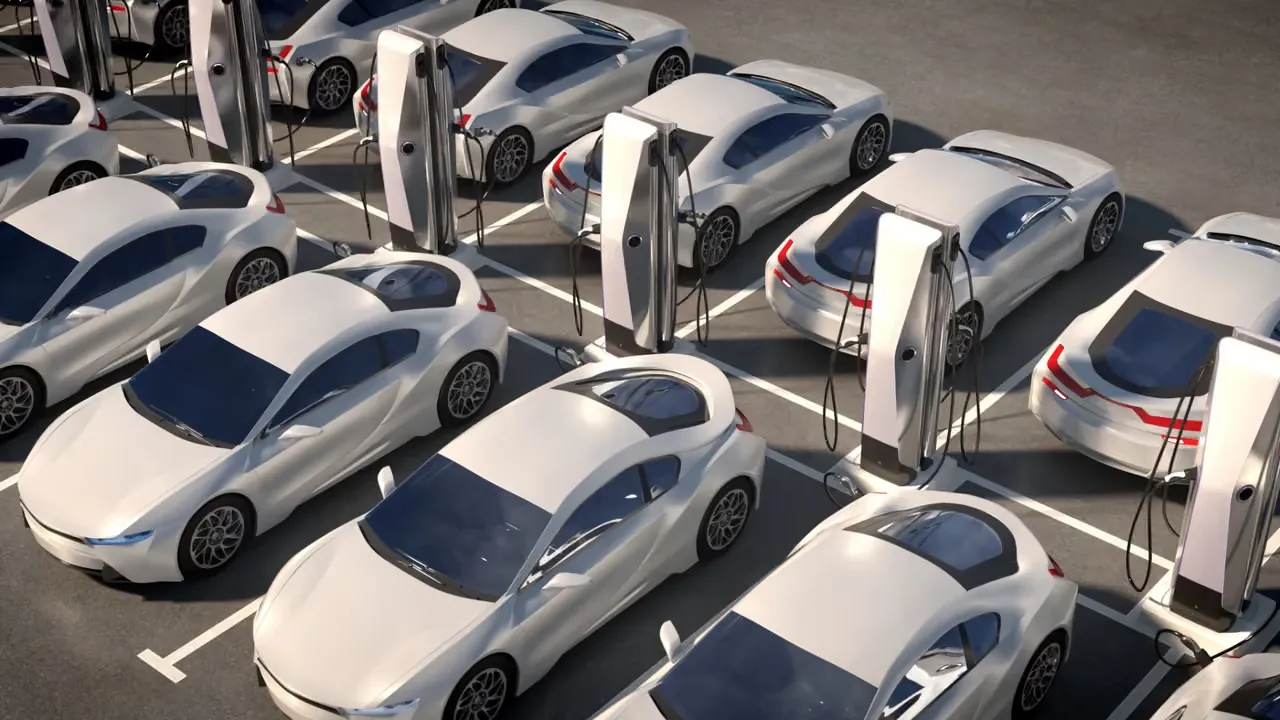
How far do electric cars reach beyond just cutting down emissions? The conversation around electric vehicles (EVs) often zeroes in on their ability to reduce greenhouse gases, but their environmental impact spreads much wider. From transforming urban air quality to nudging policy frameworks and infrastructure development, electric cars play a pivotal role in reshaping environmental agendas worldwide.
Electric Cars and Urban Air Quality Improvement
When electric cars replace traditional gasoline and diesel vehicles, the most immediate and clear benefit is cleaner air. Tailpipe emissions from internal combustion engines release nitrogen oxides, particulate matter, and other pollutants that cause smog, respiratory problems, and poor urban air quality. EVs produce no direct emissions, which is especially important in crowded cities where air pollution threatens public health.
Studies in cities with growing EV use show clear drops in local pollution. For example, in Oslo, Norway, where EVs make up a large share of new car sales, nitrogen dioxide levels have fallen noticeably. This doesn’t just improve daily living conditions; it also eases pressure on healthcare systems by reducing cases of asthma and other lung diseases. Cleaner air helps cities become more resilient to health problems linked to climate change, such as heatwaves and allergies. These improvements send a strong message to policymakers that investing in EVs is a smart way to tackle urban environmental health.
Influence of EV Adoption on Renewable Energy Initiatives
Electric vehicles do not run on air—they rely on electricity, and the source of that electricity matters a great deal. The rise of EVs has pushed for cleaner energy grids. As more people buy EVs, the demand for electricity grows. This encourages utilities and governments to invest more in renewable energy sources like wind, solar, and hydro power.
This connection creates a positive cycle:
- Higher electricity demand from EVs supports expanding renewable energy capacity.
- Grid upgrades speed up to handle the variable nature of renewable energy and the extra load from EV charging.
- Smart charging and vehicle-to-grid technologies allow EVs to store energy and feed it back to the grid when needed, helping balance supply and demand.
By linking EVs with clean energy, environmental policies move beyond just cutting vehicle emissions. They push for a bigger shift in how we produce and use energy.
Shaping Government Incentives and Infrastructure Planning
Electric vehicles have become a powerful tool for governments to reshape transportation policies and infrastructure. Incentives like tax credits, rebates, and access to carpool lanes are no longer just about selling more EVs—they show a real commitment to a sustainable future. These policies influence how cities plan transit and build infrastructure.
Infrastructure planning changes in several key ways:
- Charging networks: Cities and states focus on building public charging stations in parking lots, shopping centers, and along highways to make EV use easier and more convenient.
- Grid improvements: Utilities upgrade power systems to support fast charging and handle many EVs charging at once, often adding demand management programs to avoid overloads.
- Urban design: Policies encourage denser, mixed-use neighborhoods that reduce the need for long car trips and promote walking, cycling, and public transit.
These shifts show how EVs act as catalysts for wider environmental and urban policy changes. Governments are pushed to rethink mobility and infrastructure in a more integrated way.
The Role of Electric Vehicles in Long-Term Environmental Strategies
Electric cars are not just a quick fix but a key part of long-term environmental plans. They fit into bigger strategies to cut carbon emissions across transportation, energy, and industry.
EVs also drive innovation. Advances in battery technology improve range and reduce costs. Recycling programs and second-life uses for EV batteries help build circular economy models. For example, old EV batteries can be reused for home energy storage, reducing waste and the need for new materials. These developments lower the environmental impact of mining and manufacturing.
On the global stage, EV adoption shapes international climate efforts. Countries with strong EV targets align them with national climate goals and report progress that strengthens global agreements. This pushes industries to innovate and governments to work together, making sure the benefits of EVs reach beyond borders.