Electric Road Trips Are Changing Fast
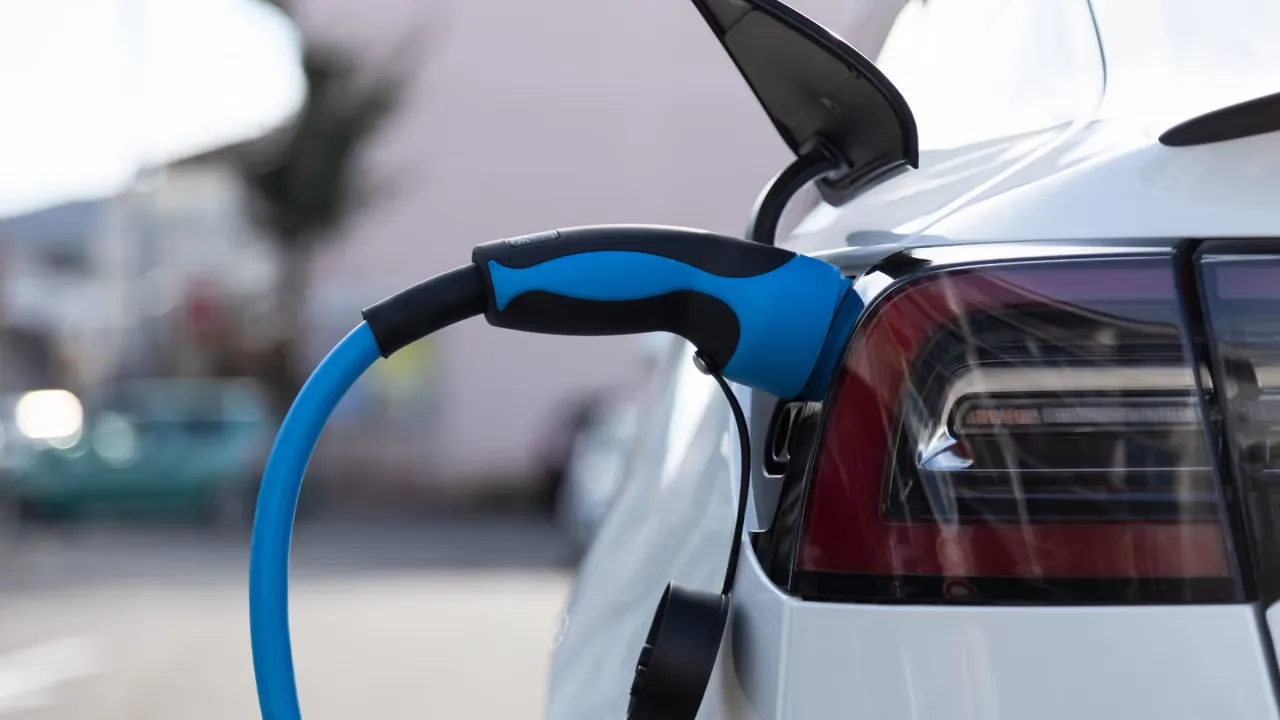
Imagine setting off on a cross-country road trip, the open road ahead, but instead of hunting for gas stations, your stops are at sleek, fast-charging electric vehicle (EV) stations. No more last-minute panic over a fuel gauge dipping dangerously low—just the quiet hum of an electric motor and the steady rhythm of plug-in stops. This is not some distant future; it’s rapidly becoming the new normal as electric cars reshape long-distance travel and the culture of road trips.
The Rise of EV Charging Infrastructure on Highways
One of the biggest hurdles for EV adoption, especially for long-distance trips, has been the scarcity of charging options on highways. That’s changing fast. Across the U.S. and much of Europe, governments and private companies are investing heavily in EV charging networks. Highways now host a growing number of fast chargers that can deliver 150 kW or more, drastically cutting down charging times compared to earlier generations of chargers.
Networks like Tesla’s Supercharger, Electrify America, and Ionity are expanding at a breakneck pace. They’re strategically placed every 50 to 100 miles along major travel corridors, making it possible to plan trips with predictable charging stops. These stations often come with amenities—cafes, restrooms, and Wi-Fi—turning necessary downtime into a comfortable break.
Planning Road Trips Around Charging Stops New Considerations
Long gone are the days when a road trip could be a spontaneous adventure without much thought about fuel. For EV drivers, planning is a different game. It’s about balancing range, charging speed, and available amenities. Apps and in-car navigation systems now integrate real-time charging station data, showing availability, charging speeds, and estimated wait times.
Route planning focuses on optimizing charging stops rather than just the shortest distance. Drivers consider:
- Charging speed: Fast chargers can add 200 miles in 20-30 minutes, but some stations are slower, requiring longer breaks.
- Battery management: Frequent short charges can be less efficient than fewer longer ones, so planning stops to align with natural breaks like meals or sightseeing is ideal.
- Weather and terrain: Cold weather and hilly routes can reduce EV range, so more frequent stops may be necessary.
- Availability: Popular stations can get crowded, especially during holidays, so timing stops to avoid queues is becoming part of the strategy.
New etiquette and habits
EV drivers are developing a new set of road trip habits. Unlike gas stations where filling up is fast and routine, charging requires patience and sometimes a bit of social interaction. Sharing chargers, waiting your turn, and even chatting with fellow EV enthusiasts at charging hubs is becoming part of the journey.
The Impact of EV Range Improvements on Travel Habits
Range anxiety—the fear of running out of battery far from a charger—has long been the nagging shadow over EV long-distance travel. But the game is changing. Modern EVs now routinely offer ranges over 250 miles, with some models pushing past 350 or even 400 miles on a single charge. This means fewer stops and less time spent tethered to a charging station.
Improved battery technology and energy efficiency are also helping. Regenerative braking, better aerodynamics, and smarter energy management systems extend range in real-world conditions. Drivers find themselves venturing farther without the stress they used to feel.
As range increases, the psychology of travel shifts. Road trips become less about managing the car’s limitations and more about enjoying the journey. Spontaneous detours, scenic side routes, and longer stretches between stops become feasible again.
Future Innovations Making Long-Distance EV Travel Seamless
The future of EV road trips promises even more convenience and freedom. Innovations on the horizon include:
- Ultra-fast charging: Charging stations capable of delivering 350 kW or more will reduce recharge times to 10-15 minutes, comparable to a quick coffee break.
- Wireless charging lanes: Experimental roads embedded with wireless charging technology could allow EVs to recharge on the move, minimizing or even eliminating stops.
- Battery swapping: Some companies are exploring modular battery packs that can be swapped out at stations in minutes instead of waiting to charge.
- Smart grid integration: Charging networks connected to renewable energy sources and smart grids will optimize energy use and reduce environmental impact.
- Improved navigation AI: Future in-car systems will not only plan routes based on charging needs but also adapt dynamically to traffic, weather, and driver preferences for a truly stress-free experience.
These advancements mean that the traditional image of the road trip—marked by frequent stops at gas stations—will evolve. The focus will shift towards comfort, exploration, and efficiency, with less interruption and more time on the road.