Electric Cars Transform Rural Life Today
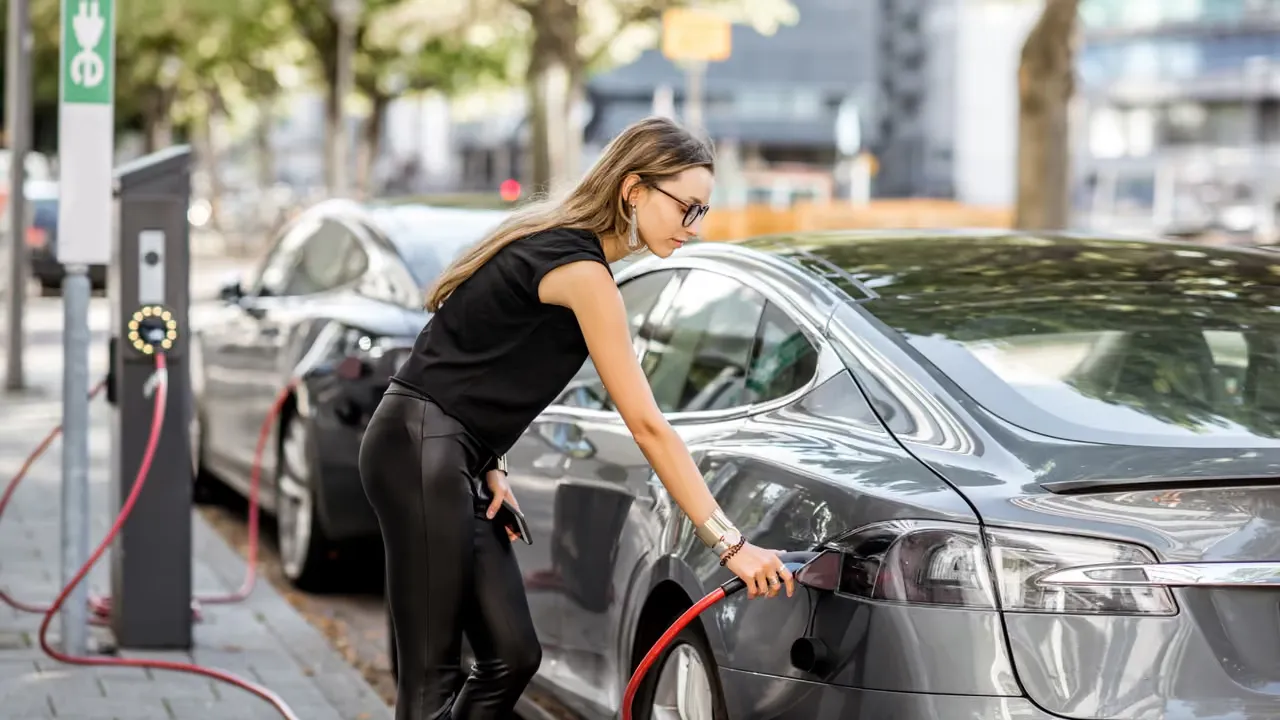
Imagine driving down the main street of a small town where the familiar hum of electric cars replaces the usual rumble of gas engines. Charging stations have popped up beside the old gas pumps, and the local mechanic who once specialized in carburetors is now an expert in electric drivetrains. This is not a glimpse into the distant future but a current reality unfolding in rural America and small towns around the world. Electric car technology is quietly reshaping transportation and local economies outside big cities, bringing new opportunities alongside unique challenges.
The rise of electric cars in rural areas opportunities and challenges
Electric vehicles (EVs) have long been associated with urban environments where shorter commutes and access to charging infrastructure make adoption easier. But the tide is changing. Advances in battery technology and expanding charging networks have made EVs more practical for longer drives, opening the door for rural residents. According to recent studies, EV ownership in small towns is growing steadily, though it still lags behind urban rates.
This growth creates exciting possibilities. For one, many rural residents can now enjoy the lower running costs of electric cars, which require less maintenance and benefit from cheaper “fuel” compared to gasoline. For small towns, this means less money spent on imported fuel and more circulation of income within the community.
However, challenges remain. Range anxiety is a real concern for drivers who often travel long distances between towns or across rural highways with few charging options. The upfront cost of EVs can also be a barrier, especially in areas with lower average incomes. Furthermore, the lack of widespread public charging infrastructure in rural regions can stall adoption, creating a chicken-and-egg problem for small-town EV drivers.
Impact on local fuel stations and service businesses
One of the most visible effects of electric cars in small towns is on traditional fuel stations. These businesses, once the lifeblood of rural transportation, face an uncertain future. Some have adapted by installing EV chargers alongside gasoline pumps, but the transition is not always straightforward. Installing charging stations requires upfront investment and expertise that many small operators lack.
For some towns, this shift means the decline of gas stations that were once community hubs, with ripple effects on local employment and social life. However, it also offers an opportunity to reinvent these spaces. Some stations have transformed into multi-service centers, combining EV charging with convenience stores, cafes, or repair shops focused on electric vehicles.
Service businesses, particularly auto repair shops, are undergoing a profound transformation. Internal combustion engines require regular oil changes, exhaust repairs, and engine tuning—services that EVs largely eliminate. Mechanics in small towns are retraining to handle high-voltage battery systems, electric motors, and specialized diagnostics. This shift not only changes the nature of their work but also the skills they need to thrive.
New job creation and training in electric vehicle maintenance
The rise of electric cars is creating new employment avenues in small towns. Electric vehicle maintenance is a growing field, with demand for technicians who understand battery health, electric powertrains, and software updates. Community colleges and trade schools are stepping in to offer training programs tailored to these needs, often partnering with local businesses to provide hands-on experience.
These training initiatives are crucial. They help workers transition from declining sectors and prepare the next generation for jobs that didn’t exist a decade ago. Moreover, they foster local expertise that can attract EV service contracts from neighboring towns, boosting the local economy.
Beyond maintenance, opportunities are emerging in charging infrastructure installation and management. Skilled electricians and technicians are needed to deploy and maintain public and private charging stations. Small towns investing in these jobs can position themselves as regional EV hubs, attracting drivers passing through and supporting local commerce.
Community initiatives to support electric car adoption in small towns
Recognizing the potential of EVs, many small towns have launched community-driven initiatives to encourage adoption and infrastructure development. These efforts often involve local governments, businesses, and residents working together to overcome the unique barriers rural areas face.
- Charging infrastructure grants: Some towns have secured state or federal funding to install public charging stations in strategic locations like town centers, parks, and municipal buildings.
- EV car-sharing programs: To make electric vehicles accessible to those who cannot afford to buy one, a few communities have introduced shared EV fleets for residents to use.
- Educational campaigns: Workshops and info sessions help demystify electric cars, addressing concerns about range, cost, and maintenance.
- Partnerships with automakers: Local dealerships sometimes collaborate with manufacturers to offer special deals or demonstration events to showcase EVs.
These grassroots efforts are vital in building confidence and awareness. They also foster a sense of ownership and pride, positioning electric cars not just as technology trends but as tools for sustainable local development.
In small towns, where community ties run deep, the shift to electric vehicles is about more than just transportation. It is a catalyst for economic renewal, environmental stewardship, and a reimagining of how rural America moves forward in the 21st century.