Electric Cars Quietly Transform City Life
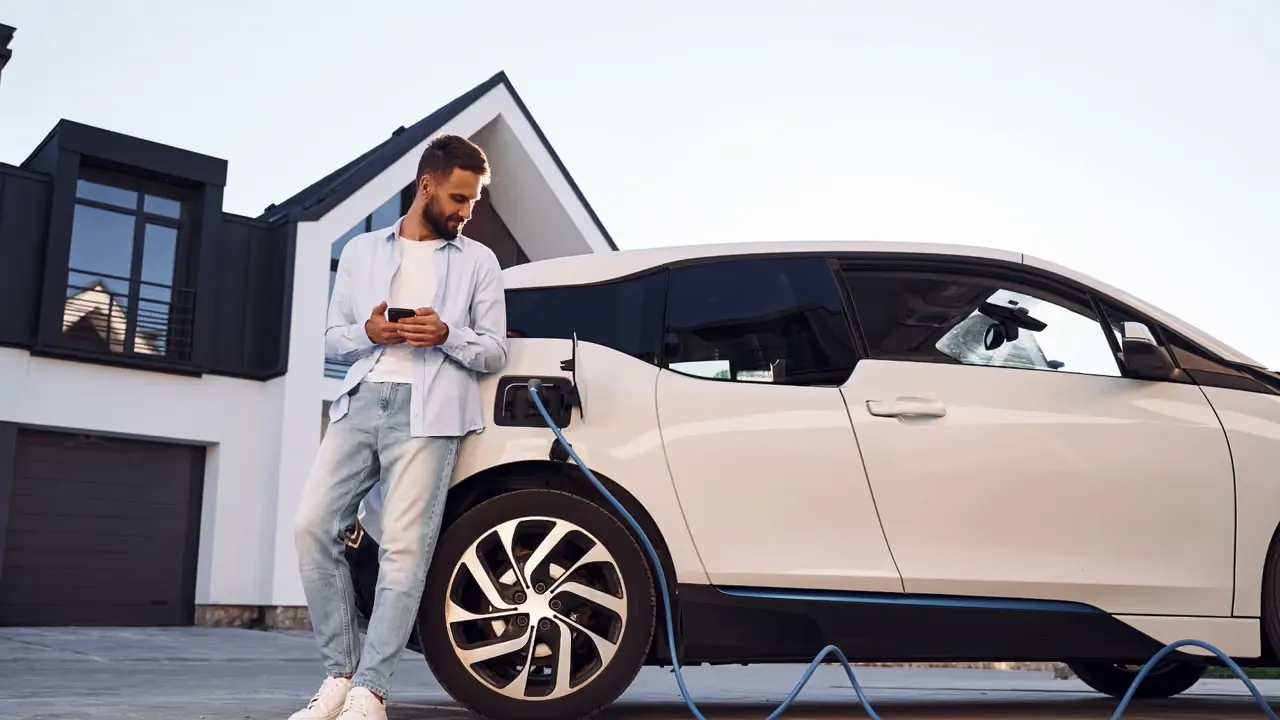
Walking through many city streets today, you might notice a subtle shift: the hum of engines is softer, the usual haze of exhaust is thinning, and the overall pace of urban life feels a little less frantic. This change isn’t just a coincidence; it’s the growing presence of electric cars reshaping how we live in cities. Beyond the familiar environmental perks, electric vehicles (EVs) are quietly transforming urban life into something more sustainable and convenient in several unexpected ways.
Reducing Noise and Air Pollution in Cities
The most immediate benefit of electric cars in urban settings is the drastic cut in noise pollution. Traditional combustion engines produce a constant drone, especially noticeable during stop-and-go traffic and idling at intersections. EVs, by contrast, operate almost silently at low speeds because they lack the mechanical noise of internal combustion engines and mufflers. This reduction in noise contributes to quieter neighborhoods, making city living less stressful and more pleasant.
Air pollution, a chronic urban issue, also sees a significant decline with the rise of electric cars. Cities often suffer from smog and poor air quality, primarily due to vehicle emissions rich in nitrogen oxides and particulate matter. EVs produce zero tailpipe emissions, meaning their increasing presence directly improves the air quality. Cleaner air in cities translates to better public health outcomes, from reduced asthma rates to fewer cardiovascular problems linked to pollution, benefiting everyone who breathes the urban atmosphere.
The Rise of Compact and Efficient Urban EV Models
Electric cars are not only about eliminating emissions; they are also redefining what a city car can be. Many manufacturers are now focusing on compact, efficient models designed specifically with urban environments in mind. These vehicles are smaller, easier to park, and more maneuverable in tight city streets where space is at a premium.
Unlike traditional cars that often have bulky engines and complex exhaust systems, EVs require less mechanical space, allowing designers to maximize interior room even in smaller vehicles. This means more comfort and practicality without the bulk. Additionally, many urban EVs feature fast charging capabilities tailored for short city trips, reducing downtime between errands or commutes.
Integration with Smart City Infrastructure
The marriage between electric cars and smart city technology is making urban life smoother and more interconnected. Charging stations are increasingly integrated with apps that provide real-time availability, price comparisons, and reservation options, taking the guesswork out of where and when to plug in.
Beyond just charging, EVs often come equipped with advanced sensors and connectivity features that communicate with traffic lights, parking systems, and even public transit schedules. This integration can optimize routes, reduce congestion, and help drivers find parking spaces more efficiently, cutting down time spent circling blocks and easing the overall traffic burden.
Some cities are piloting vehicle-to-grid (V2G) technology, where parked EVs can feed electricity back into the grid during peak demand periods. This not only supports the local energy infrastructure but also incentivizes EV owners to participate in urban energy management, turning cars into active contributors rather than passive consumers.
How EVs Encourage New Urban Mobility Habits
Electric cars are nudging city dwellers to rethink how they move around. The rise of EV car-sharing programs and short-term rentals is making it easier than ever to access a car without owning one, reducing the number of vehicles sitting idle in crowded urban spaces. This shift encourages a blend of transportation modes, where walking, biking, public transit, and EV use complement each other rather than compete.
Moreover, the lower operating costs and maintenance needs of electric vehicles make them attractive for frequent city trips, encouraging more people to consider them as a practical daily option rather than a niche or luxury choice. The quietness and cleanliness of EVs also make shared rides and urban deliveries more acceptable to communities sensitive to noise and pollution.
Finally, as cities invest in EV-friendly infrastructure like dedicated parking, charging hubs, and priority lanes, the convenience factor grows. This infrastructure supports not only private EV ownership but also fleets of electric taxis, delivery vans, and public transport vehicles, creating a more integrated and sustainable urban mobility ecosystem.