Electric Cars Change How We Design Vehicles
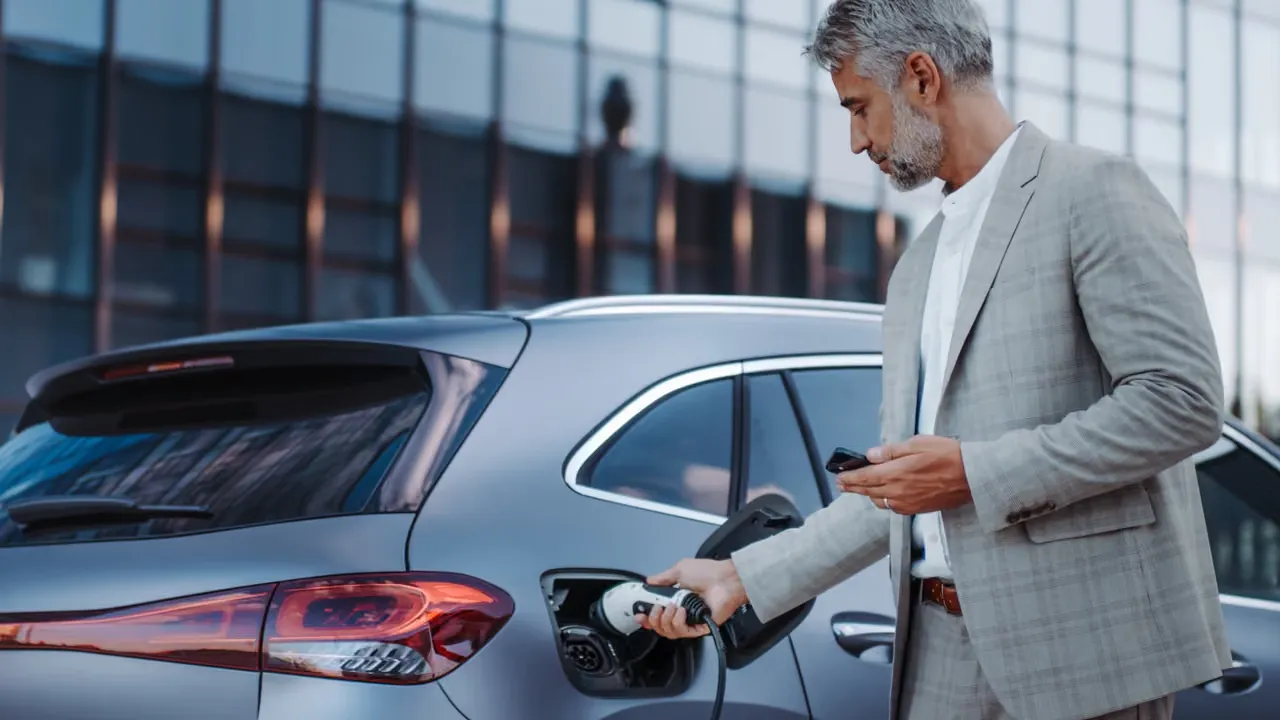
Electric cars are rewriting the rulebook for automotive manufacturing, stretching far beyond the simple swap of a gasoline engine for a battery pack. The rise of electric vehicles (EVs) has ignited a wave of design and innovation that touches every corner of how cars are built, what they look like, and the very processes and skills that define the industry.
Reimagining Car Design From Engine to Aesthetics
The traditional internal combustion engine (ICE) dictated much of the car’s shape and internal layout. With its bulky engine block, transmission, fuel tank, and exhaust systems, car designers had to work around a complex mechanical core. Electric cars, on the other hand, start with a fundamentally different architecture. The electric motor’s compact size and the batteries’ flat, packable form factor allow designers to rethink the car’s entire structure.
Without the need for a large engine compartment, electric vehicles often feature more spacious interiors. This shift has led to new cabin designs prioritizing passenger comfort and utility. Take the Tesla Model 3, for example, which boasts a minimalist interior with an expansive dashboard dominated by a single touchscreen. The lack of a traditional engine also enables lower hood lines, improving driver visibility and contributing to a sleeker, more aerodynamic profile.
Even the exterior styling is evolving. Designers now have freedom to create smoother, cleaner lines since cooling requirements for EVs are less demanding than ICE vehicles. This has spawned a wave of futuristic, almost spaceship-like aesthetics that signal a break from conventional automotive looks.
Material Innovations Driven by Electric Vehicle Requirements
Electric cars demand more from materials than traditional vehicles. Battery packs add significant weight, pushing manufacturers to explore lightweight alternatives without compromising safety or durability. This necessity has accelerated the use of advanced composites, aluminum alloys, and high-strength steels in vehicle frames and body panels.
Carbon fiber, once reserved for exotic sports cars, is gradually finding its way into mass-market EVs, helping reduce weight while maintaining rigidity. Manufacturers are also experimenting with new thermal management materials to keep batteries operating efficiently under a variety of conditions.
Inside the cabin, sustainable materials have gained traction. Since EVs often appeal to environmentally conscious consumers, automakers are introducing recycled fabrics, vegan leathers, and natural fibers to replace traditional plastics and animal products, aligning material choices with the green ethos.
Manufacturing Process Shifts From Assembly Lines to Digital Twins
The production of electric vehicles is more than a mechanical challenge; it’s a digital one. The complexity of battery systems and the integration of advanced electronics require precision and flexibility that traditional assembly lines aren’t fully equipped to handle.
Enter the digital twin—a virtual replica of the manufacturing process and even the vehicles themselves. Automakers use these digital models to simulate assembly, identify bottlenecks, and optimize workflows before physical production begins. This approach reduces costly errors and accelerates the ramp-up of new models.
Additionally, robotics and automation take on new roles in handling delicate battery modules and installing intricate wiring harnesses for EV-specific electronics. The manufacturing floor is evolving to combine human expertise with machine precision more than ever before.
Impact on Supply Chain and Labor Skills in the Auto Industry
The shift to electric vehicles has sent ripples through the supply chain. Traditional suppliers of engines, transmissions, and exhaust components find their roles diminishing, while new players specializing in batteries, electric motors, and power electronics rise to prominence.
This reconfiguration demands a transformation in labor skills. Technicians and engineers must now master high-voltage systems, software integration, and battery chemistry—areas once peripheral to automotive work. Training programs and partnerships with tech firms have become critical to developing this new expertise.
Furthermore, the global sourcing of battery materials like lithium, cobalt, and nickel introduces new geopolitical and ethical considerations into supply chain management, influencing where and how manufacturers choose to build their vehicles.