Can Cities Keep Up with EV Demand
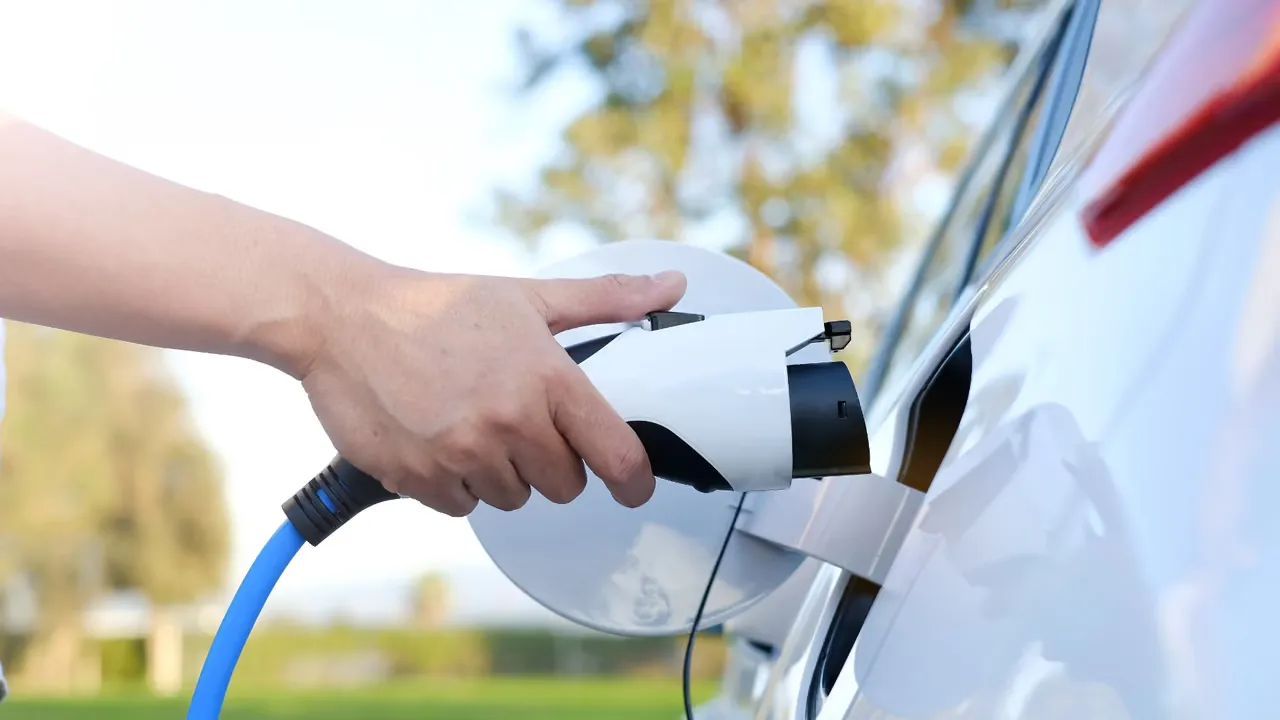
Electric vehicle charging is no longer just a convenience; it’s a cornerstone of how cities plan their future. As electric vehicles (EVs) become more common, the infrastructure to support them is reshaping the urban landscape, influencing everything from street layouts to public space allocation.
The current landscape of EV charging infrastructure in urban areas
Urban centers worldwide are racing to expand their EV charging networks. Today, most cities offer a patchwork of charging options: public fast chargers on main streets, slower chargers in parking garages, and some residential curbside stations. The availability varies widely, often concentrated in wealthier neighborhoods or commercial hubs.
Despite progress, the density and accessibility of chargers remain uneven. Many urban residents, especially those without private parking, struggle to find convenient charging spots. This uneven distribution threatens to slow EV adoption among city dwellers, who could benefit most from electric mobility due to shorter trip distances and lower emissions.
Challenges cities face integrating extensive EV charging networks
Installing EV chargers in dense urban environments is far from straightforward. Cities wrestle with limited curb space, competing demands for street furniture, and aging electrical grids that weren’t designed for high power loads.
Space constraints are a major hurdle. Sidewalks and parking lanes serve multiple functions—bike lanes, pedestrian zones, outdoor seating. Allocating space for chargers often means rethinking these uses, which can generate pushback from residents and businesses.
Electrical capacity poses another challenge. Many older neighborhoods require significant grid upgrades to handle the surge in electricity demand from fast chargers. These upgrades are costly and disruptive, forcing municipalities to carefully plan where and how chargers are deployed.
Regulatory complexity adds layers of difficulty. Building codes, zoning laws, and utility partnerships must all align to enable smooth installation and operation of charging stations. Navigating this web slows down deployment and can deter private investment.
Innovations in urban design driven by EV charging needs
The rise of EVs is inspiring fresh approaches to urban design. Instead of fitting chargers into existing frameworks, planners are beginning to envision streets and neighborhoods built around electric mobility.
- Integrated charging hubs: Some cities are creating multi-use hubs where charging stations coexist with retail, green spaces, and transit stops. This turns charging from a chore into an opportunity for social interaction and commerce.
- Smart infrastructure: Advanced sensors and software manage charger availability and energy loads in real time. This reduces congestion at charging points and optimizes grid performance.
- Wireless charging: Emerging technologies like inductive charging embedded in roadways or parking spots could eliminate the need for physical plugs, making charging seamless and less space-intensive.
- Repurposing street space: Some urban designers propose transforming parking lanes into ‘electric corridors’ lined with chargers, cycling paths, and pedestrian zones to prioritize sustainable transport modes.
These innovations reflect a shift in mindset. EV charging infrastructure is not an add-on but a fundamental element shaping how city spaces function and feel.
The environmental and social impacts of EV charging on city living
Widespread EV charging infrastructure carries significant implications beyond convenience. Environmentally, it is a key lever for reducing urban air pollution and greenhouse gas emissions. As fossil-fueled vehicles give way to electric ones, cities can breathe cleaner air and combat climate change more effectively.
However, the environmental benefits hinge on the electricity source. Urban planners must ensure that chargers are paired with renewable energy to avoid merely shifting emissions from tailpipes to power plants.
Socially, equitable access to charging is critical. Without it, EV adoption risks becoming a privilege of wealthier populations, exacerbating existing divides. Cities must prioritize chargers in underserved neighborhoods and for residents without private parking to democratize clean mobility.
Moreover, the siting of chargers influences neighborhood dynamics. Well-integrated stations can enhance public spaces and encourage active transportation, while poorly planned ones may create congestion and visual clutter.
Ultimately, the evolution of EV charging infrastructure is a powerful force in redefining city living. It demands bold urban planning choices that balance technology, equity, and environment, setting the stage for more sustainable and livable urban futures.