Can Battery Swapping Beat Fast Chargers
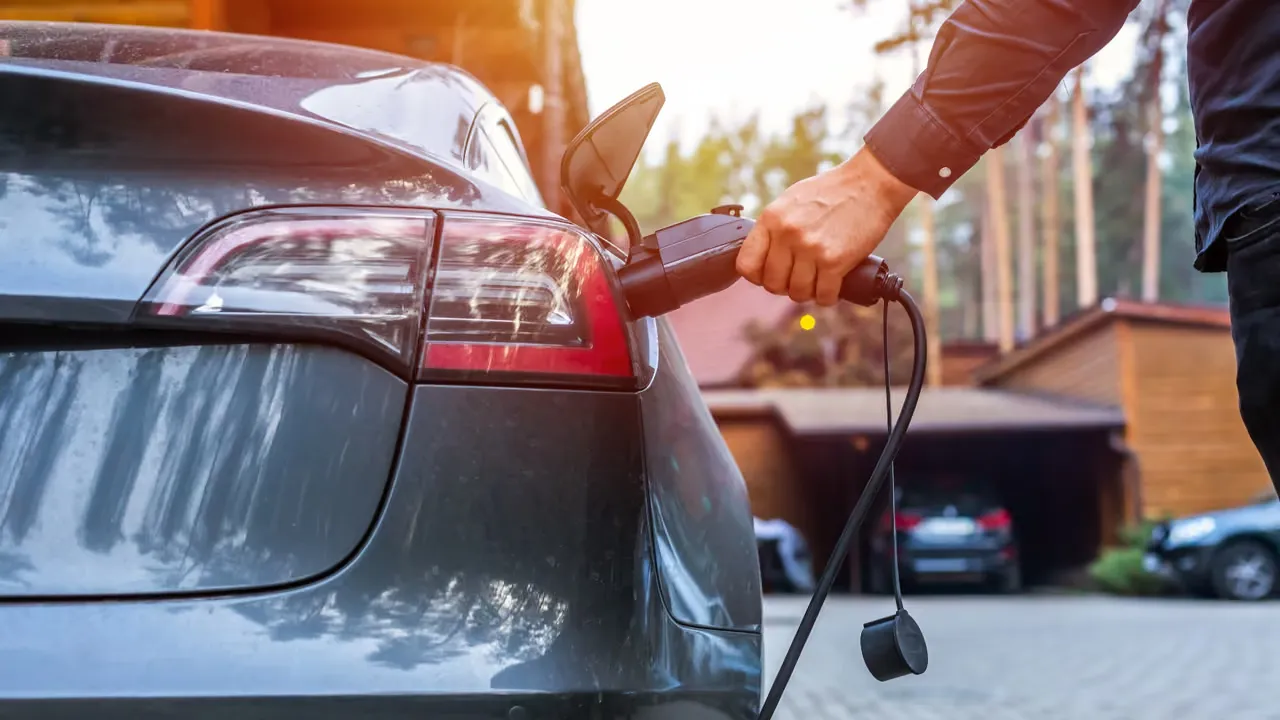
What if recharging an electric vehicle took no longer than refilling a gas tank? As EV adoption accelerates worldwide, one of the biggest hurdles remains downtime spent waiting for a battery to charge. Battery swapping stations propose a solution that could transform how we refuel electric cars, trucks, and even buses. But can this approach truly rival traditional charging methods and reshape the EV landscape?
Understanding Battery Swapping Technology
Battery swapping involves physically removing a depleted battery from an electric vehicle and replacing it with a fully charged one in a matter of minutes. Instead of plugging in and waiting, drivers pull into a station where automated systems or technicians handle the swap. The discharged battery is then recharged at the facility, ready for the next vehicle.
This concept isn’t entirely new—early electric vehicles in the 1910s experimented with battery swaps. More recently, companies like NIO in China have invested heavily in battery swapping infrastructure, creating networks of stations designed for rapid turnaround times.
Battery swapping stations vary in design but generally rely on robotic arms or conveyor systems to extract and insert batteries. Compatibility is crucial; vehicles must be built to allow easy battery removal and replacement, which often requires standardization across models or at least within a brand.
Comparing Battery Swapping and Conventional Charging
Traditional EV charging primarily falls into three categories: slow AC charging, fast DC charging, and ultra-fast charging. Even with ultra-fast chargers delivering 150 kW or more, a full charge can take 20 to 40 minutes. For many, this downtime is inconvenient compared to gasoline refueling.
Battery swapping offers a stark contrast. The entire process can take as little as 3 to 5 minutes, rivaling or even beating conventional refueling times. This speed is the most compelling advantage, especially for commercial fleets and high-mileage drivers.
However, the two methods differ in infrastructure demands. Charging stations require significant electrical capacity and grid integration, but relatively modest physical space. Battery swapping stations need more complex mechanical systems and space to store multiple batteries, increasing upfront costs and operational complexity.
Another key difference is ownership. With battery swapping, some models separate battery ownership from the vehicle. Drivers lease batteries, swapping them as needed, which can reduce vehicle cost but introduces questions about battery condition and lifecycle management.
Benefits and Challenges of Battery Swapping Infrastructure
Benefits
- Speed: As mentioned, swapping can be done in minutes, eliminating long wait times and boosting convenience.
- Battery Health Management: Centralized charging and maintenance allow operators to monitor battery health, mitigate degradation, and optimize charging cycles.
- Reduced Range Anxiety: With quick swaps, drivers worry less about running out of power, making EVs more practical for long trips and commercial use.
- Lower Vehicle Costs: Separating battery ownership can lower upfront vehicle prices, potentially accelerating EV adoption.
Challenges
- Standardization: Lack of universal battery designs complicates creating widely accessible swapping networks. Different vehicles use different battery sizes, shapes, and connection types.
- Infrastructure Costs: Building and maintaining swapping stations is expensive due to robotic systems, battery inventory, and space requirements.
- Battery Lifecycle Complexity: Managing batteries outside the vehicle adds logistical challenges in tracking usage, performance, and warranty considerations.
- Market Acceptance: Consumers and manufacturers may hesitate to adopt swapping due to concerns over battery ownership, quality, and trust in third-party operators.
Future Prospects and Integration with EV Ecosystems
Battery swapping’s future hinges on overcoming these challenges and finding niches where its unique benefits shine. Commercial fleets, such as taxis, delivery vans, and buses, stand to gain the most from rapid turnaround times and centralized battery management. Some pilot projects have already demonstrated success in these sectors.
For passenger vehicles, widespread adoption may require industry collaboration on battery standardization or modular designs that facilitate swapping. Emerging technologies like solid-state batteries could further influence swapping viability by altering battery size, weight, and durability.
Integration with renewable energy and smart grid systems also presents opportunities. Swapping stations can act as energy storage hubs, charging batteries during off-peak hours or excess renewable generation, then providing quick power replenishment to vehicles during peak demand.
Additionally, advances in automation and AI could streamline swapping operations, reduce costs, and enhance safety. As EV ecosystems mature, battery swapping could become a complementary option alongside fast charging, tailored to specific use cases.