Battery Recycling Is Key to EV Sustainability
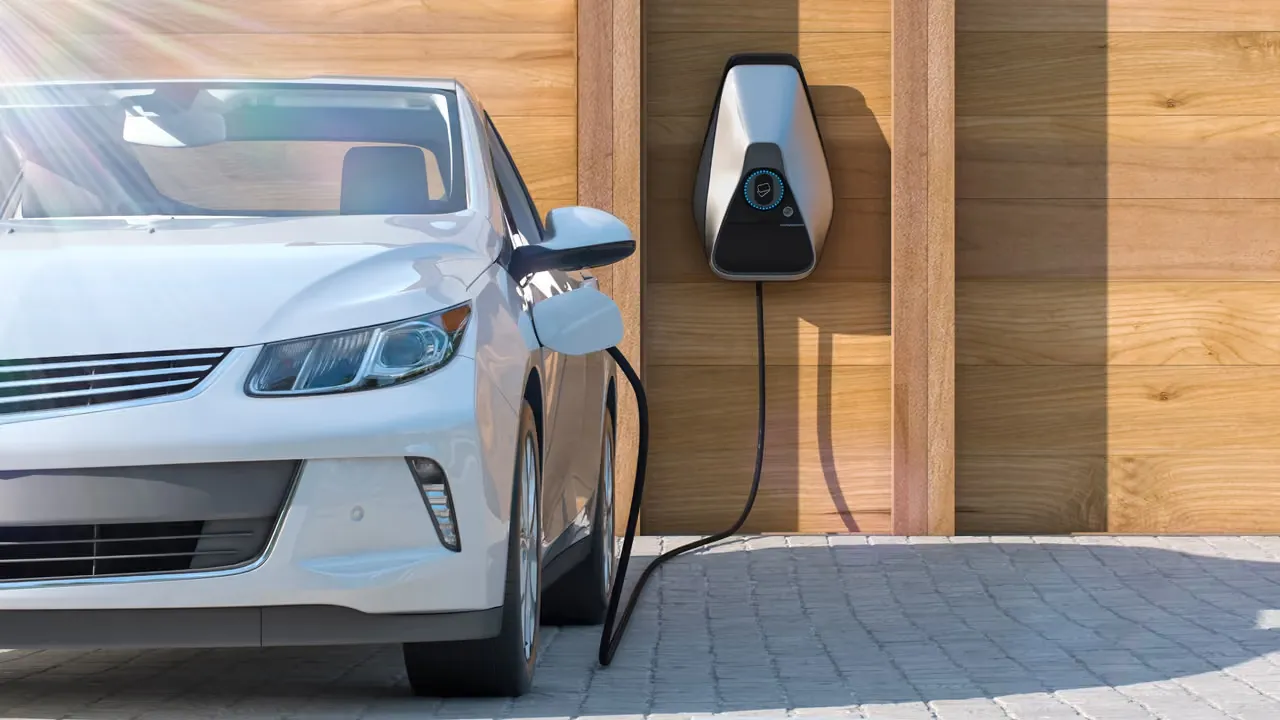
Electric cars are often hailed as the future of sustainable transportation, but the reality behind their batteries reveals a complex challenge. As the world shifts rapidly toward electric vehicles (EVs), the demand for lithium-ion batteries is skyrocketing. This surge brings with it serious concerns about resource scarcity and environmental damage, but battery recycling offers a powerful solution that is beginning to reshape the industry.
The Growing Demand for EV Batteries and Its Impacts
Electric vehicles are no longer niche products; they are becoming mainstream. Governments worldwide are pushing for stricter emissions regulations and incentivizing EV adoption. According to recent estimates, the global stock of electric cars is expected to reach over 145 million by 2030. This translates into an unprecedented demand for EV batteries.
EV batteries are predominantly lithium-ion, which rely on critical raw materials like lithium, cobalt, nickel, and manganese. The massive production scale needed to meet demand is putting intense pressure on mining operations and supply chains. This pressure risks inflating prices, causing geopolitical tensions, and exacerbating human rights concerns in mining regions.
Challenges in Sourcing Raw Materials for Batteries
The mining of lithium and cobalt, two of the most vital components in EV batteries, is fraught with environmental and ethical issues. Lithium extraction often involves draining large amounts of water in arid regions, damaging ecosystems and local agriculture. Cobalt mining, particularly in the Democratic Republic of Congo, has been linked to child labor and unsafe working conditions.
Moreover, the supply of these materials is limited. Lithium deposits are geographically concentrated, and cobalt is considered a conflict mineral. The finite nature of these resources means that continued reliance on virgin mining is not sustainable. As EV adoption accelerates, the risk of hitting supply bottlenecks grows more real.
Innovations and Technologies in Battery Recycling
Battery recycling is emerging as a vital answer to the resource dilemma. Instead of discarding used EV batteries, recycling processes recover valuable metals that can be reintroduced into new batteries. This approach reduces dependence on raw material extraction and curbs waste.
Traditional recycling methods involve pyrometallurgy, where batteries are smelted at high temperatures to extract metals. While effective, this technique is energy-intensive and can release hazardous emissions. A newer approach, hydrometallurgy, uses chemical solutions to leach metals out of battery materials at lower temperatures, offering better recovery rates and less environmental impact.
Advanced technologies are pushing the boundaries further. Direct recycling methods aim to preserve cathode materials without breaking them down completely, allowing for easier refurbishment and reuse. Companies and research institutions are investing heavily in scaling up these techniques to handle the expected influx of spent EV batteries.
The Environmental and Economic Benefits of Recycling EV Batteries
Recycling EV batteries carries significant environmental advantages. It reduces mining-related habitat destruction, water consumption, and carbon emissions. For instance, recycling lithium consumes up to 90% less water and energy compared to mining. By diverting batteries from landfills, it also prevents the leakage of toxic substances into the soil and water.
On the economic front, recycling offers a way to stabilize supply chains and reduce material costs. Recovering lithium, cobalt, and nickel from old batteries can lessen price volatility caused by geopolitical or market disruptions. It also creates new industrial sectors and job opportunities focused on sustainable battery management.
Governments are recognizing these benefits and introducing policies to encourage battery recycling. The European Union’s Battery Directive mandates the collection and recycling of EV batteries. In the United States, initiatives like the Battery Recycling Prize promote innovation in the field. These moves are essential to building a circular economy around EV batteries.
In practical terms, a circular battery economy means that the materials powering electric cars today can be continually reused, minimizing the need for fresh mining and reducing environmental footprints. This is not just an idealistic goal but a necessary step if EVs are to live up to their green promises.